
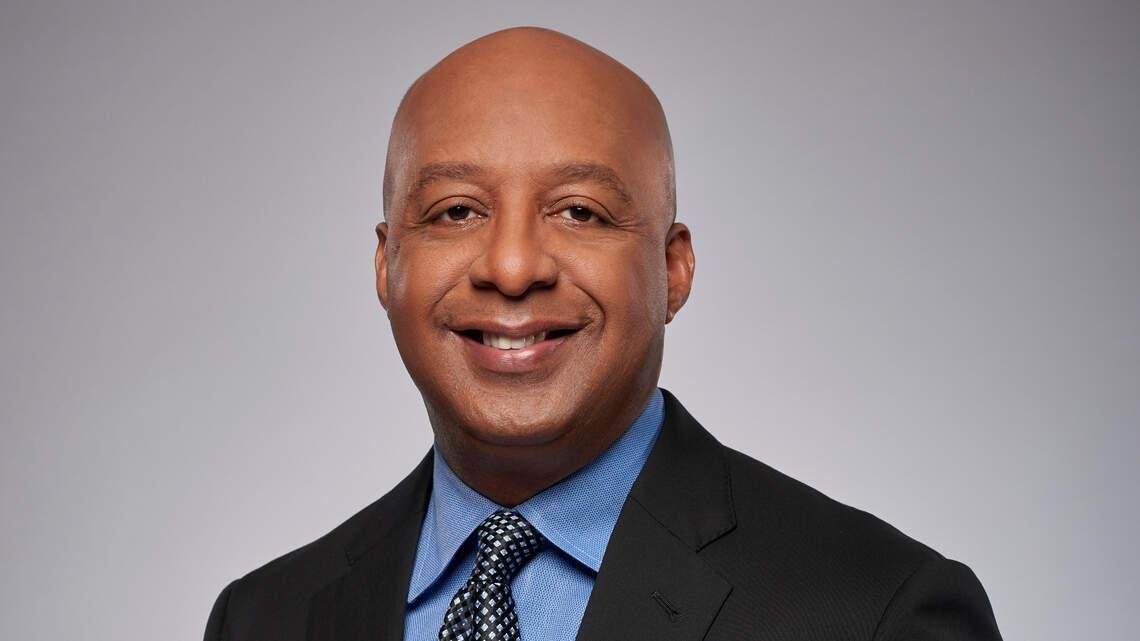
Marvin Ellison and Greg Garland are established American business executives with experience leading major corporations. Although they have worked in different industries, their careers offer useful examples of executive leadership, operational management, corporate strategy, and long-term business planning.
Ellison is best known for his leadership at Lowe’s and his previous role at J.C. Penney. Garland built his career in the energy and chemicals industries, most notably as chairman and chief executive officer of Phillips 66.
Understanding their professional backgrounds helps readers see how leadership priorities can differ between retail companies and energy businesses.
Who Is Marvin Ellison?
charlotteobserver.com
Marvin R. Ellison is an American corporate executive who serves as chairman, president, and chief executive officer of Lowe’s Companies. His career spans retail operations, logistics, customer service, and executive management.
According to Lowe’s official leadership biography, Ellison has more than four decades of retail leadership experience. Before joining Lowe’s, he served as chairman and CEO of J.C. Penney and held several senior positions at The Home Depot. He also spent approximately 15 years in operational roles at Target.
Marvin Ellison’s early career and education
Ellison earned a bachelor’s degree in business administration from the University of Memphis and an MBA from Emory University.
His early experience at Target helped him develop knowledge of store operations and retail management. He later moved to The Home Depot, where he took on increasing responsibility for logistics, regional operations, and U.S. stores.
These roles gave him practical experience in managing large retail networks, coordinating employees, improving operational efficiency, and serving customers across multiple locations.
His leadership at J.C. Penney
Ellison became CEO of J.C. Penney in 2015 and chairman in 2016. He led the company during a challenging period for traditional department stores, when retailers faced pressure from e-commerce, changing customer habits, and competition from other shopping formats.
His experience at J.C. Penney added another dimension to his career: managing a major retail business while responding to changing market conditions.
His role at Lowe’s
Ellison became president and CEO of Lowe’s in July 2018 and chairman of its board in 2021. Lowe’s operates in the home improvement sector, serving individual homeowners as well as professional customers.
His responsibilities include setting company strategy, overseeing business operations, strengthening customer service, and supporting the company’s digital and in-store capabilities.
Retail leadership requires attention to inventory, pricing, distribution, customer demand, employee performance, and competition. Ellison’s experience across Target, The Home Depot, J.C. Penney, and Lowe’s provides a broad perspective on these challenges.
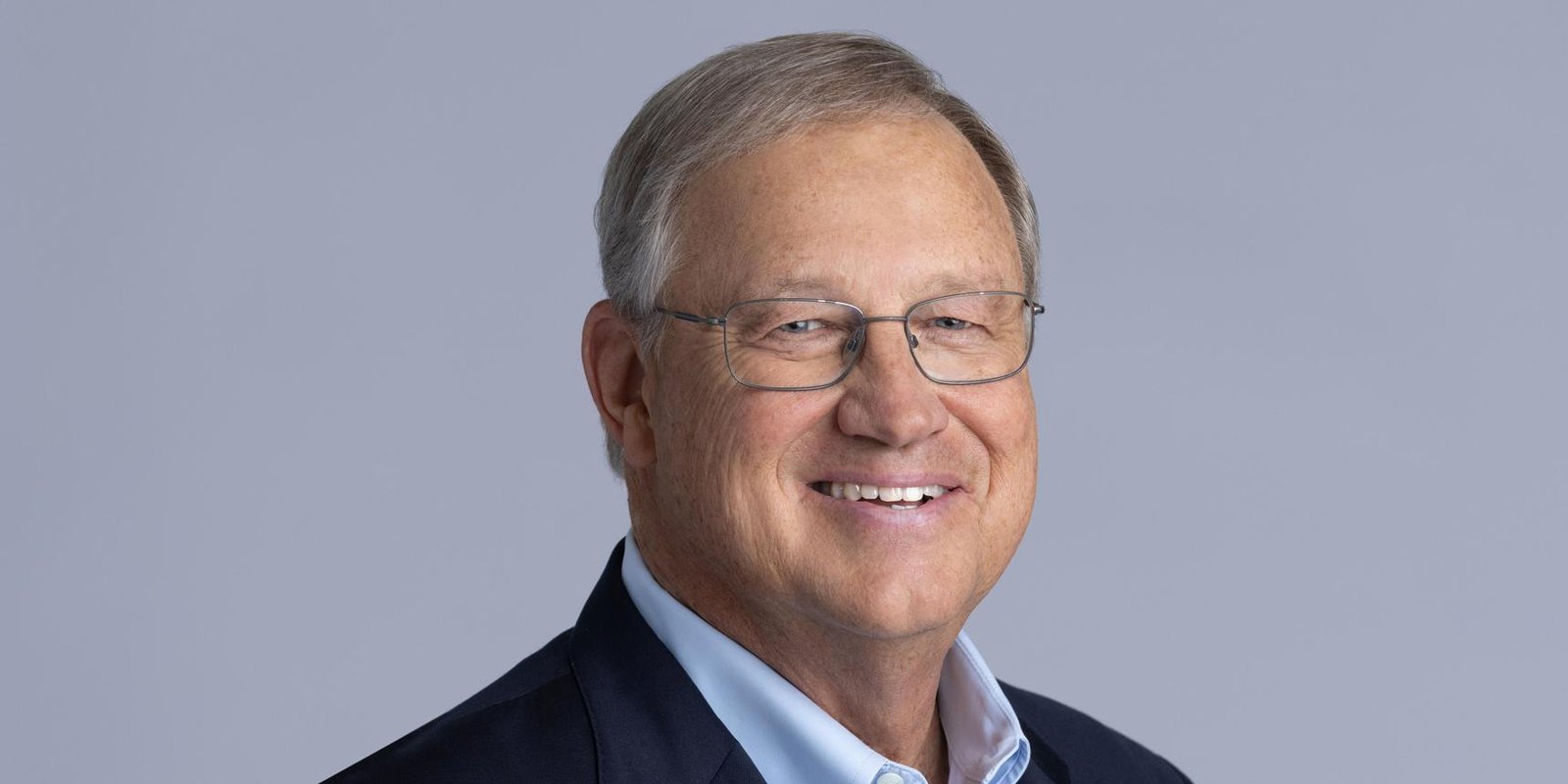
Who Is Greg Garland?
Greg C. Garland is an American business executive known for his extensive career in energy, refining, chemicals, and industrial operations. He served as chairman and CEO of Phillips 66 from 2012 to 2022, then as executive chairman from 2022 to 2024. Unlike Ellison, whose background is rooted in retail, Garland’s experience centers on technically complex businesses that depend on energy markets, industrial assets, logistics networks, and long-term capital investment.
Greg Garland’s education and early career
Garland earned a bachelor’s degree in chemical engineering from Texas A&M University in 1980. He began his professional career at Phillips Petroleum Company as a project engineer and subsequently held roles in sales engineering, business development, and chemicals management. His technical background helped prepare him for leadership positions in businesses where engineering, production efficiency, safety, and investment decisions are closely connected. Over time, he took on greater responsibility across the petroleum and chemicals sectors, building experience in planning, strategic transactions, and international business operations.
Leadership at Chevron Phillips Chemical and ConocoPhillips
Before becoming head of Phillips 66, Garland served as president and CEO of Chevron Phillips Chemical Company from 2008 to 2010. He then became senior vice president for exploration and production in the Americas at ConocoPhillips.
These positions exposed him to different parts of the energy value chain, including chemical manufacturing and oil and gas production.
His leadership at Phillips 66
Garland became chairman and CEO of Phillips 66 in 2012. The company operates across areas including refining, midstream transportation and logistics, chemicals, and marketing.
His responsibilities involved overseeing capital-intensive operations, managing business risks, allocating investment, and responding to shifts in energy supply and demand.
Garland’s later appointment as executive chairman continued his association with Phillips 66 through May 2024. He has also served on the board of Amgen and joined ExxonMobil’s board in 2025, according to their published corporate biographies.
Marvin Ellison and Greg Garland: Key Differences
While both executives have led large organizations, their career paths reflect different commercial environments.
| Area | Marvin Ellison | Greg Garland |
|---|---|---|
| Primary industry | Retail and home improvement | Energy, refining, and chemicals |
| Best-known leadership role | Chairman and CEO of Lowe’s | Former chairman and CEO of Phillips 66 |
| Previous major company roles | Target, The Home Depot, J.C. Penney | Phillips Petroleum, Chevron Phillips Chemical, ConocoPhillips |
| Educational background | Business administration and MBA | Chemical engineering |
| Core operating focus | Stores, customers, inventory, and retail logistics | Industrial operations, energy markets, and capital investment |
| Leadership challenges | Customer demand, competition, digital retail | Commodity prices, safety, regulation, and investment risk |
The comparison is based on the executives’ published corporate biographies.
1. Different industries require different priorities
Retail companies must respond quickly to changes in shopping behavior, product demand, and customer expectations. A home improvement retailer also needs dependable inventory and distribution to keep stores supplied.
Energy businesses face a different set of pressures. Commodity prices, industrial safety, environmental requirements, infrastructure, and large investment commitments can influence performance for years.
Neither environment is inherently easier. Each requires a leadership approach suited to its operating model.
2. Operational expertise is important to both careers
Ellison advanced through hands-on retail and logistics positions before becoming a CEO. Garland progressed through engineering, business development, planning, and executive positions in the energy sector.
Their careers demonstrate how operational knowledge can help senior leaders understand the practical consequences of corporate decisions.
3. Their education reflects different professional foundations
Ellison’s business education supports his background in retail operations and management. Garland’s chemical engineering degree reflects the technical foundations of his early career.
However, education alone does not determine leadership effectiveness. Both careers also involved years of practical experience, increasing responsibility, and decisions affecting large organizations.
What Can Businesses Learn From Their Leadership Careers?
The careers of Marvin Ellison and Greg Garland offer several lessons for business owners, managers, and students studying corporate leadership.
Focus on the fundamentals
A company’s long-term performance depends on more than its public image. Retailers must manage products, service, staffing, and costs. Industrial businesses must maintain safe operations, manage assets, and make sound investment decisions.
Leaders need to understand the everyday activities that keep their organizations running.
Adapt to changing market conditions
Businesses operate in markets that change over time. Retailers face new competitors and evolving shopping habits, while energy companies must respond to shifting demand, commodity prices, and regulation.
Effective leadership requires reviewing business assumptions and adjusting strategy when circumstances change.
Combine technical knowledge with management skills
Garland’s engineering background and Ellison’s business and retail experience illustrate different routes to executive leadership. Both careers also involved developing skills beyond their original professional foundations.
For aspiring executives, this highlights the value of combining subject expertise with communication, financial understanding, team management, and strategic thinking.
Make decisions with a long-term perspective
Corporate leaders must balance immediate results with future opportunities and risks. A retail investment might involve improving distribution or digital services, while an energy investment might require years of planning and substantial capital.
Sound decisions require realistic expectations, reliable evidence, and careful consideration of potential outcomes.
Are Marvin Ellison and Greg Garland Connected?
A common question behind the search for Marvin Ellison and Greg Garland is whether the two executives have worked together or share a direct business relationship.
Their published biographies establish that both have held senior leadership roles and served on corporate boards. However, the sources reviewed for this article do not establish a direct partnership, shared executive position, or specific joint business project between them.
It is important not to confuse their similar professional standing with evidence of a personal or business connection. Readers seeking a particular connection should check corporate announcements, annual reports, and official board biographies for documented evidence.
How to Research Their Business Careers Further
For readers interested in learning more, the following sources provide useful starting points:
-
Lowe’s corporate leadership: Review Marvin Ellison’s official biography, career history, and current position.
-
Amgen’s board of directors: Read Greg Garland’s biography and details of his previous executive roles.
-
ExxonMobil’s board of directors: Check Garland’s board appointment and professional experience.
-
Company annual reports: Review business strategies, financial performance, governance arrangements, and management responsibilities.
Official corporate sources are generally preferable to unsourced biography websites because they provide information directly from the organizations involved.
Frequently Asked Questions
Who is Marvin Ellison?
Marvin Ellison is the chairman, president, and CEO of Lowe’s Companies. He previously served as CEO of J.C. Penney and held senior operational roles at The Home Depot and Target.
Who is Greg Garland?
Greg Garland is an American business executive best known for serving as chairman and CEO of Phillips 66 from 2012 to 2022 and executive chairman from 2022 to 2024.
What is the main difference between Marvin Ellison and Greg Garland?
Ellison’s career focuses on retail, home improvement, store operations, and customer experience. Garland’s career focuses on energy, refining, chemicals, industrial operations, and capital investment.
Did Marvin Ellison and Greg Garland work for the same company?
Their published career histories identify different principal employers. The sources reviewed here do not establish that they held executive roles at the same company.
What companies has Marvin Ellison led?
Ellison has served as CEO of J.C. Penney and Lowe’s. His earlier career included operational and leadership positions at Target and The Home Depot.
What companies has Greg Garland worked for?
Garland’s career includes Phillips Petroleum Company, Chevron Phillips Chemical Company, ConocoPhillips, and Phillips 66. His later board service has included Amgen and ExxonMobil.
What leadership lessons can readers learn from these executives?
Their careers illustrate the value of operational knowledge, industry expertise, adaptability, sound investment decisions, and long-term planning. The precise lessons depend on the business environment and the decisions being evaluated.
Where can readers find reliable information about both executives?
The official corporate websites of Lowe’s, Amgen, and ExxonMobil provide biographies and career information. Company annual reports and regulatory filings can provide additional details about executive responsibilities and corporate governance.
Conclusion
Marvin Ellison and Greg Garland have built distinguished careers in different areas of American business. Ellison’s experience centers on retail operations and home improvement, while Garland’s leadership background is rooted in energy and industrial businesses.
Their careers show that successful corporate leadership can follow different paths. For readers researching Marvin Ellison and Greg Garland, the most useful approach is to compare their documented experience, industry challenges, and leadership responsibilities rather than assume a direct connection.
Also Read… Primewire1.com

1 Comment
Pingback: Chuck Rubin and Ken Griffin: Careers and Connections