
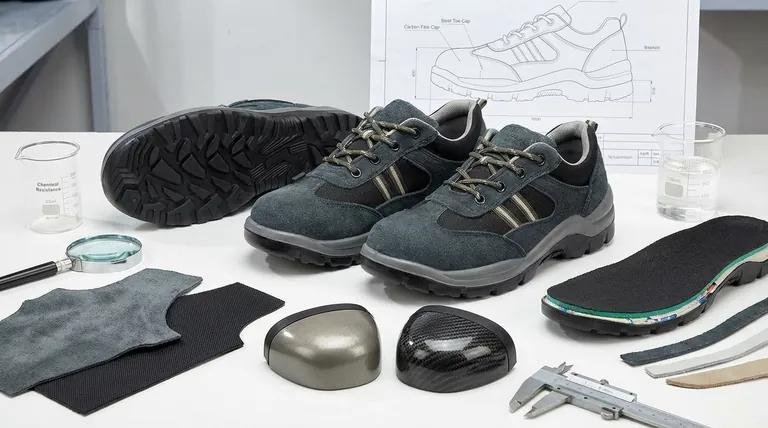
Workplace safety begins with the right protective equipment, and footwear is an important part of that protection. In industries where employees handle heavy materials, operate machinery, or work around sharp objects, properly designed safety shoes can help reduce the risk of serious foot injuries.
This is where SAFIT Italy enters the picture. SAFIT Srl is an Italian company specializing in components used in safety footwear, particularly protective toe caps and anti-perforation insoles. Rather than focusing on finished shoes for individual consumers, the company supplies specialized components that footwear manufacturers can incorporate into their products.
With roots dating back to 1970, SAFIT has developed experience in protective footwear technology, material selection, and component manufacturing. Its product range includes steel, aluminum, composite, fiberglass, and carbon-fiber toe protection solutions.
Understanding SAFIT provides a useful look at how individual footwear components contribute to comfort, durability, and workplace protection.
What Is SAFIT Italy?
SAFIT Italy, officially known as SAFIT Srl, is an Italian manufacturer specializing in protective components for occupational footwear.
The company’s main focus is developing and producing safety shoe components that help protect workers from common workplace hazards. Its products are designed primarily for footwear manufacturers and businesses involved in the production of personal protective equipment (PPE).
SAFIT operates from Friola di Pozzoleone, in the province of Vicenza, Italy. Its business history is connected to the Italian footwear manufacturing industry and the development of protective toe caps.
The company’s product range includes:
-
Steel safety toe caps.
-
Aluminum toe protection components.
-
Composite toe caps.
-
Fiberglass and carbon-fiber toe caps.
-
Steel anti-perforation insoles.
-
Textile anti-perforation solutions.
These components serve different purposes depending on the type of footwear, the working environment, and the protection requirements.
Unlike ordinary shoe accessories, safety footwear components must be developed with particular attention to dimensions, material performance, manufacturing consistency, and applicable safety standards.
SAFIT’s work focuses on these technical requirements while also considering weight and wearing comfort.
The History and Background of SAFIT Srl
SAFIT has a history that goes back several decades. According to the company’s official background information, its roots in safety footwear accessories date to 1970.
The business initially developed through Italian manufacturing expertise associated with the production of protective components. Its earlier history was connected with the Esjot brand, a German international company that worked with Italian manufacturing partners.
Following Esjot’s bankruptcy in 2009, the Italian business moved toward establishing its own identity and developing the SAFIT brand.
The development of the SAFIT brand
In March 2010, SAFIT became part of the Veneto industrial group Euromeccanica, marking an important stage in its development.
The company’s official history describes investments in production capabilities, engineering, and research into materials.
A notable part of this development was the introduction of more than 147 new toe cap models over a three-year period. In 2011, a dedicated production facility was opened for steel toe caps and insoles in Pozzoleone, in the province of Vicenza.
From traditional manufacturing to specialized engineering
Safety footwear requires more than simply placing a protective piece of metal inside a shoe.
Manufacturers must consider the shape of the toe cap, available internal space, weight distribution, resistance to impact, and compatibility with the shoe’s construction.
SAFIT’s development reflects this technical side of footwear manufacturing. Its approach combines traditional manufacturing experience with newer materials and production processes.
This background helps explain why the company focuses on supplying components rather than competing directly with ordinary footwear retailers.
What Products Does SAFIT Manufacture?
SAFIT specializes in two major categories: protective toe caps and anti-perforation insoles.
Both are important parts of safety footwear, but they protect against different types of hazards.
1. Steel safety toe caps
Steel toe caps are among the most recognized components in industrial safety footwear.
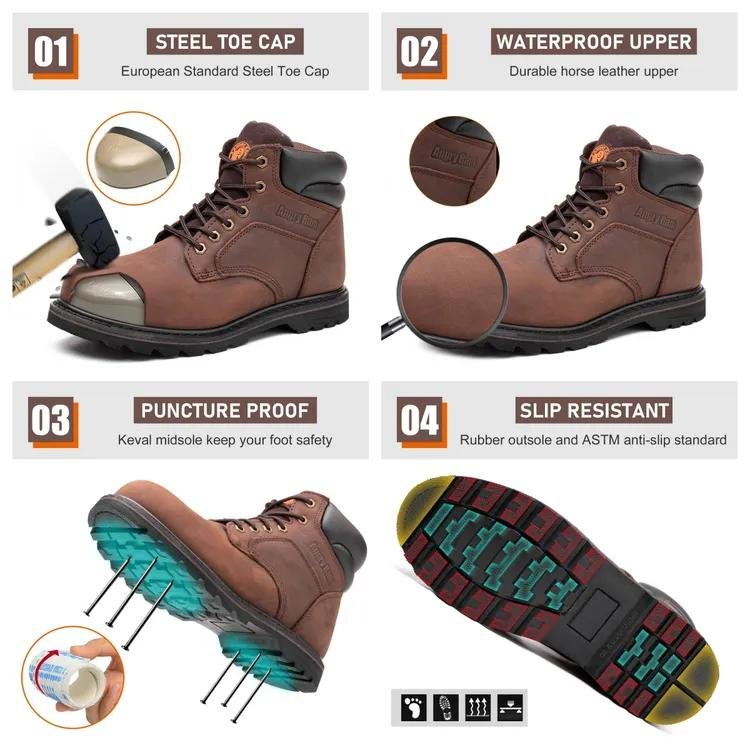
They are positioned inside the front section of a safety shoe to help protect the toes against impact and compression.
SAFIT manufactures hardened steel toe caps using specially specified steel materials and manufacturing processes.
Important characteristics include:
-
High resistance to impact and compression.
-
A strong protective structure.
-
Multiple available models and sizes.
-
Compatibility with different safety footwear designs.
-
Suitability for demanding industrial applications.
Steel is often selected when manufacturers prioritize established mechanical protection and a compact protective structure.
However, it can be heavier than some alternative materials. The final choice depends on the intended footwear design and workplace requirements.
2. Aluminum toe caps
Aluminum offers another option for manufacturers seeking to reduce footwear weight.
SAFIT’s aluminum toe cap range includes pressed and injected aluminum solutions.
Aluminum components can provide a useful balance between protection and reduced weight. This can be relevant for workers who spend long periods standing, walking, or moving between different work areas.
Potential advantages include:
-
Lower weight compared with conventional steel alternatives.
-
Corrosion resistance.
-
A protective structure designed for safety footwear.
-
Different manufacturing approaches for different shoe designs.
The shape and thickness of an aluminum toe cap must still be engineered to meet the required performance criteria.
3. Composite safety toe caps
Composite toe caps are made from non-metallic materials and provide an alternative to traditional metal protection.
SAFIT offers composite-ULTRA toe caps, developed using a specialized thermoplastic composite formulation.
These components can be suitable for footwear designs where manufacturers want to avoid conventional metal toe protection.
Their potential benefits include:
-
Non-metallic construction.
-
Reduced weight in suitable designs.
-
Resistance to selected chemical substances, depending on the material.
-
Design flexibility.
-
Compatibility with particular footwear manufacturing requirements.
Composite materials are especially relevant when footwear must be designed for specific industrial conditions.
It is important to remember that composite does not automatically mean better protection. Performance depends on the specific material, design, testing, and intended application.
4. Fiberglass toe caps
Fiberglass is another material used in protective footwear.
SAFIT’s product information describes fiberglass toe caps made using woven glass fibers and injected epoxy resins.
This construction combines reinforcing fibers with a resin-based structure.
Fiberglass can be considered when manufacturers want a non-metallic alternative with a different balance of weight, dimensions, and mechanical characteristics.
The final suitability depends on the tested performance of the specific component.
5. Carbon-fiber toe caps
Carbon fiber is known for its high strength-to-weight potential.
SAFIT includes carbon-fiber toe caps in its range of protective footwear components.
These products are intended for manufacturers looking for lightweight, non-metallic protection and specialized footwear designs.
Potential characteristics include:
-
Low weight.
-
Non-magnetic construction.
-
Electrical insulation properties.
-
High structural rigidity.
-
A relatively compact design.
Carbon-fiber components can be more expensive than traditional alternatives. Their manufacturing processes and performance characteristics also differ.
The suitability of a particular carbon-fiber toe cap should always be assessed using its technical documentation.
6. Anti-perforation insoles
Protecting the toes is only one part of workplace foot safety.
Workers may also encounter nails, sharp metal pieces, glass, and other objects capable of penetrating the sole of ordinary footwear.
Anti-perforation insoles are designed to provide a protective barrier between the foot and the ground.
SAFIT offers protective insole solutions that include steel and anti-perforation textile materials.
These products are used in the construction of safety footwear where underfoot protection is required.
Steel and textile solutions have different characteristics. Steel offers a rigid protective structure, while flexible textile alternatives can provide greater flexibility in certain footwear designs.
The appropriate option depends on the required penetration resistance, shoe construction, and relevant testing standards.
Understanding the Different SAFIT Toe Cap Materials
Choosing a toe cap is not simply a matter of selecting the strongest available material. Footwear manufacturers must consider the working environment, expected hazards, weight, shoe shape, and production requirements.
The following comparison explains the main material options.
| Material | Main characteristics | Considerations |
|---|---|---|
| Steel | Strong, durable, compact | Generally heavier |
| Aluminum | Lightweight metal option | Design and thickness matter |
| Composite | Non-metallic construction | Performance varies by formulation |
| Fiberglass | Fiber-reinforced protection | Depends on resin and construction |
| Carbon fiber | Lightweight, rigid structure | Often more expensive |
Which material is suitable for different workplaces?
-
Construction: Steel or other tested protective toe caps may be suitable depending on the site’s hazards.
-
Manufacturing: The choice depends on machinery, heavy objects, and workplace conditions.
-
Logistics: Lightweight designs may be useful for employees who walk throughout their shifts.
-
Electrical-related work: Non-metallic footwear components may be relevant, but the complete footwear must meet the necessary electrical protection requirements.
-
Chemical environments: Material compatibility must be checked against the specific chemicals and exposure conditions.
There is no single material that is ideal for every worker. The right choice depends on the complete footwear specification.
How SAFIT Technology Supports Safety Footwear Manufacturing
The performance of a safety shoe depends on how its individual components work together.
A protective toe cap may have excellent material properties, but it must also fit correctly inside the footwear structure. Poor dimensions or unsuitable construction can affect comfort, manufacturing quality, and the protective function of the finished shoe.
SAFIT’s manufacturing approach focuses on several important areas.
Material research and development
Different materials behave differently under pressure, impact, temperature changes, and repeated use.
For this reason, material selection is an important part of safety component manufacturing.
SAFIT describes its use of raw materials developed or selected according to its technical specifications. Its range of materials allows footwear manufacturers to consider several construction options.
Precision engineering
Dimensions are particularly important in toe cap production.
The component must fit the shoe design while maintaining the required protective characteristics.
SAFIT describes using technical design and manufacturing processes to maintain consistent product dimensions.
Its product development history also includes the introduction of numerous toe cap models for different footwear requirements.
Quality control
Quality control is important because safety footwear components must perform consistently.
SAFIT’s official website describes standardized production procedures, quality checks, and product traceability.
The company also describes QR-code-based tracking across production stages.
For footwear manufacturers, these processes can help support production monitoring and product identification.
Product customization and footwear compatibility
Different footwear manufacturers have different requirements.
A construction boot, industrial shoe, and specialist protective boot may require different component dimensions and material characteristics.
SAFIT’s range of toe cap models provides manufacturers with different options when developing footwear products.
The company also highlights the use of consistent external shapes across certain material variations, which can help manufacturers when adapting existing footwear designs to alternative toe cap materials.
Safety Standards and Regulations: What Buyers Should Know
Safety standards are essential when selecting components for occupational footwear.
However, there is an important difference between a component standard and a standard for finished footwear.
EN ISO 20345 and safety footwear
The international standard ISO 20345:2021 covers basic and additional requirements for general-purpose safety footwear.
It addresses several areas, including:
-
Mechanical risks.
-
Slip resistance.
-
Thermal risks.
-
Ergonomic performance.
-
Requirements for different footwear applications.
This standard is relevant to manufacturers developing complete safety footwear.
Personal protective equipment — Safety footwear
ISO 22568 and footwear components
ISO 22568 provides specific requirements and test methods for protective footwear components.
Its different parts address different types of toe caps.
For example:
-
ISO 22568-1:2019 covers metallic toe caps.
-
ISO 22568-2:2019 covers non-metallic toe caps.
These standards help establish technical requirements for individual components used in protective footwear.
European PPE Regulation
The European Union’s Regulation (EU) 2016/425 establishes requirements for personal protective equipment.
It covers the design, manufacture, and marketing of PPE in the European market.
CE marking is used to indicate that applicable EU conformity requirements have been met.
An important distinction: A component manufacturer’s technical information should not be treated as proof that every finished shoe containing its components is automatically certified. Manufacturers must evaluate and document the complete footwear product under the applicable requirements.
Why Footwear Manufacturers May Consider SAFIT Italy
SAFIT’s business model is focused on supplying components to manufacturers rather than selling finished safety shoes directly to consumers.
There are several reasons why this type of specialist supplier can be valuable.
1. A broad selection of materials
Manufacturers can evaluate steel, aluminum, composite, fiberglass, and carbon-fiber solutions for different footwear projects.
This flexibility can help when developing products for different industries and working conditions.
2. Experience in safety footwear components
SAFIT’s history dates back to 1970, giving the business a long background in this specialized manufacturing field.
Experience can be particularly useful when solving technical challenges involving dimensions, materials, and footwear compatibility.
3. Attention to weight and comfort
Workers may wear protective footwear for many hours every day.
A shoe that is unnecessarily heavy or poorly designed can make daily tasks less comfortable.
SAFIT’s product development information emphasizes reducing toe cap weight and dimensions while maintaining required protective performance.
4. Technical support for manufacturers
The company’s product information and technical documentation can help footwear manufacturers evaluate different component options.
For example, a manufacturer developing a lightweight industrial shoe may compare aluminum and composite toe cap solutions before selecting a suitable design.
5. International manufacturing perspective
SAFIT describes serving customers in different markets.
Its specialized product range is relevant to footwear manufacturers working with different industry requirements and footwear designs.
How to Choose the Right Safety Footwear Components
Selecting a protective component requires more than comparing prices or looking at product photographs.
Manufacturers should consider several practical factors before placing an order.
Step 1: Identify the workplace hazards
Start by identifying the risks employees may encounter.
These can include:
-
Falling or rolling objects.
-
Sharp objects on the ground.
-
Slippery surfaces.
-
Heat exposure.
-
Chemical substances.
-
Electrical hazards.
The selected footwear must provide protection appropriate to the actual working conditions.
Step 2: Select the appropriate material
Once the hazards are understood, manufacturers can compare available materials.
For example, steel may be considered for traditional robust designs, while aluminum or composite materials may be investigated when weight reduction is important.
The decision should be based on documented test results rather than assumptions about material names.
Step 3: Check dimensions and compatibility
Toe caps must fit the intended shoe construction.
Manufacturers should check:
-
Internal footwear dimensions.
-
Toe cap shape.
-
Available sizes.
-
Sole compatibility.
-
Manufacturing processes.
-
Comfort requirements.
Step 4: Review technical documentation
Request technical data sheets, relevant test information, and material specifications.
This information helps establish whether a component is suitable for the intended footwear design.
Step 5: Evaluate the complete footwear
The final shoe should be tested and assessed against the applicable footwear requirements.
A high-quality component is important, but the complete product must also deliver the required level of protection.
SAFIT Italy Compared With Traditional Safety Footwear Suppliers
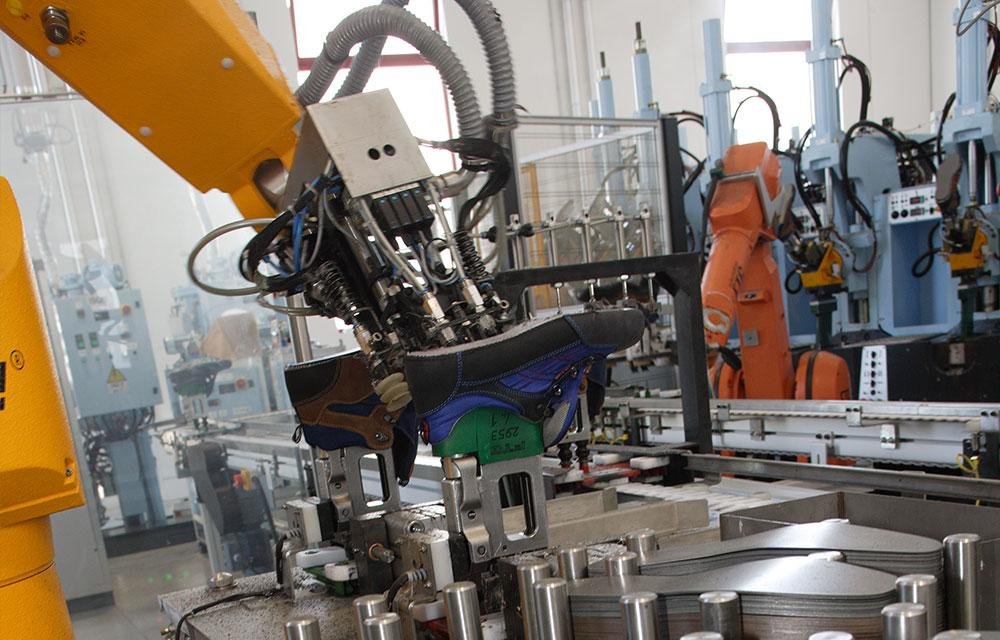
SAFIT operates in a specialized part of the footwear supply chain.
To understand its position, it helps to distinguish between a component manufacturer and a finished footwear brand.
| Feature | Component manufacturer | Finished footwear brand |
|---|---|---|
| Main product | Toe caps and insoles | Complete safety shoes |
| Primary customers | Shoe manufacturers | Distributors and end users |
| Main focus | Material and component engineering | Complete footwear design |
| Customization | Component specifications | Shoe models and features |
| Product testing | Component-level testing | Complete footwear testing |
SAFIT belongs primarily to the component manufacturing category.
This distinction matters for businesses looking for toe cap or anti-perforation insole suppliers rather than ready-to-wear safety shoes.
What Should Businesses Check Before Working With SAFIT?
Companies considering SAFIT as a potential supplier should conduct their own technical and commercial evaluation.
Useful questions include:
-
Which toe cap materials are available for the required application?
-
What models and sizes are currently in production?
-
What are the minimum order quantities?
-
Are product samples available for evaluation?
-
Which technical documents and test reports can be supplied?
-
What are the manufacturing lead times?
-
Can the company support custom component requirements?
-
What traceability and quality documentation are available?
These questions can help manufacturers establish whether a supplier is appropriate for their product development and production requirements.
SAFIT’s official website provides product information and a contact route for businesses interested in its components.
The Future of Safety Footwear Components
The safety footwear industry continues to face the challenge of balancing protection with comfort.
Workers want footwear that feels comfortable during long shifts, while employers need products that meet workplace protection requirements.
Several developments are relevant to the future of protective footwear components.
Lightweight protective materials
Material research continues to create opportunities for alternative component designs.
Composite materials, advanced fibers, and specialized metal alloys may help manufacturers develop footwear with different combinations of weight and protective performance.
Better product traceability
Digital product identification and production monitoring can help manufacturers maintain better records of their components.
Traceability may also support quality investigations and supply-chain management.
Improved footwear ergonomics
Footwear design is increasingly concerned with comfort, fit, and the way protective components interact with the rest of the shoe.
Reducing unnecessary bulk while maintaining protection remains an important design objective.
More specialized footwear solutions
Different workplaces have different requirements.
Future footwear development is likely to continue focusing on specialized products for construction, logistics, manufacturing, electrical applications, and other demanding environments.
For component manufacturers such as SAFIT, these developments create opportunities to support footwear producers with more varied material and design options.
Where Is SAFIT Italy Located and How Can You Contact the Company?
SAFIT Srl is based in Friola di Pozzoleone, in the province of Vicenza, Italy.
The company provides contact information through its official website for businesses interested in its safety footwear components.
SAFIT Srl – Company Information
Via Casonetto, 17, 36050 Friola di Pozzoleone (VI), Italy
+39 0444 668335
info@safit.us
Contact details are based on the company’s published website information.
Businesses interested in sourcing protective footwear components can contact the company directly to request current product specifications, availability, and commercial information.
Frequently Asked Questions About SAFIT Italy
1. What is SAFIT Italy?
SAFIT Italy is an Italian company specializing in safety footwear components, including protective toe caps and anti-perforation insoles for occupational shoes.
2. What does SAFIT Srl manufacture?
The company manufactures steel, aluminum, composite, fiberglass, and carbon-fiber toe caps, along with protective insoles for safety footwear.
3. Where is SAFIT Italy located?
SAFIT Srl is located in Friola di Pozzoleone, in the province of Vicenza, Italy.
4. When was SAFIT established?
The company’s manufacturing history dates back to 1970. The SAFIT brand was established in 2010 following the development of its Italian business.
5. Does SAFIT manufacture steel toe caps?
Yes. Steel toe caps are among its main products. The company also offers alternative materials, including aluminum and non-metallic composites.
6. What are composite safety toe caps?
Composite safety toe caps use non-metallic materials to provide protective coverage over the toes. Their characteristics depend on the material formulation and construction.
7. What is an anti-perforation insole?
An anti-perforation insole is a protective layer incorporated into safety footwear to help prevent sharp objects from penetrating the sole and injuring the foot.
8. Are SAFIT components suitable for industrial footwear?
SAFIT develops components for occupational safety footwear. Manufacturers must select suitable models and verify their technical documentation against the requirements of their finished footwear.
9. What safety standards are relevant to SAFIT products?
ISO 22568 covers requirements and test methods for footwear components, including metallic and non-metallic toe caps. ISO 20345 covers complete safety footwear.
10. How can businesses contact SAFIT Italy?
Businesses can visit the official website at safit.us to explore its products and contact the company regarding technical specifications and commercial inquiries.
Conclusion: Why SAFIT Italy Matters in Safety Footwear Manufacturing
SAFIT Italy represents a specialized part of the occupational footwear industry. With manufacturing roots dating back to 1970, the company has developed a product range focused on protective toe caps and anti-perforation insoles.
Its selection of steel, aluminum, composite, fiberglass, and carbon-fiber components provides footwear manufacturers with different options for their product designs.
Understanding the materials, manufacturing processes, and relevant safety standards is essential when selecting protective footwear components.
For manufacturers, distributors, and industry professionals researching safety footwear technology, SAFIT Italy is a company worth exploring. Visit its official website to learn more about its products, technical specifications, and manufacturing capabilities.
