
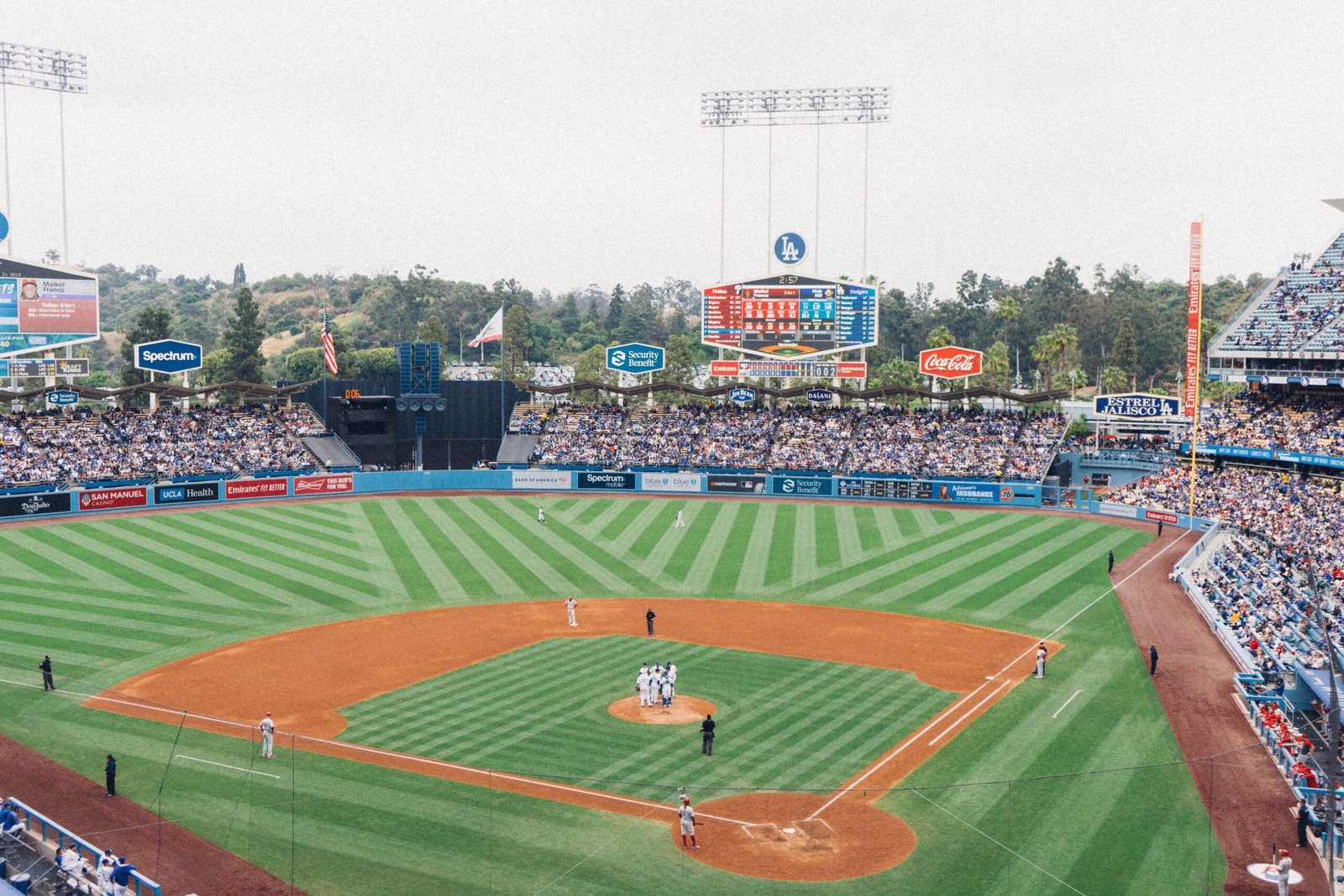
The Toronto Blue Jays vs Miami Marlins Timeline spans more than three decades of interleague baseball, filled with memorable trades, tight series, standout individual performances, and the occasional extra-inning thriller. What began as occasional cross-league meetings after the Marlins joined the National League has grown into a regular, if understated, rivalry that fans of both clubs follow with interest. This article walks through the key chapters of that shared history, from the early days of interleague play to the most recent contests in 2025 and 2026.
Early Years: The Birth of Interleague Meetings
The Florida Marlins (as they were then known) entered Major League Baseball in 1993. Interleague play officially arrived in 1997, giving the Blue Jays and Marlins their first scheduled opportunities to face each other. Those early series were relatively rare and often served as curiosities for fans rather than high-stakes battles. Toronto, still riding the afterglow of its back-to-back World Series titles in 1992 and 1993, brought a more established roster to the table. The Marlins, meanwhile, were building toward their own sudden success.
The Marlins shocked the baseball world by winning the World Series in 1997 as a wild-card team, then did it again in 2003. During those championship windows, meetings with the Blue Jays remained limited. Games tended to be low-scoring or decided by strong starting pitching, reflecting the different styles of the American League East and National League East at the time. Attendance and media coverage stayed modest because the clubs did not share a division or a long-standing geographic rivalry. Still, those early contests laid the foundation for what would become a steady interleague matchup schedule in later decades.
The 2012 Blockbuster Trade That Changed Both Franchises
No single event defines the Toronto Blue Jays vs Miami Marlins Timeline more than the November 19, 2012, trade. In what remains one of the largest player-for-player deals in modern baseball history by sheer volume of names involved, the Blue Jays acquired shortstop José Reyes, left-hander Mark Buehrle, right-hander Josh Johnson, utility man Emilio Bonifacio, and catcher John Buck from the Marlins. In return, Miami received catcher Jeff Mathis, shortstops Yunel Escobar and Adeiny Hechavarria, outfielder Jake Marisnick, and pitchers Henderson Alvarez, Justin Nicolino, and Anthony DeSclafani.
The trade marked a dramatic roster overhaul for both sides. Toronto, under general manager Alex Anthopoulos, was trying to accelerate its return to contention after years of middling results. Miami, under new ownership, was shedding high-priced contracts and shifting into a rebuilding mode. The deal immediately altered the competitive outlook of both clubs and created lasting player connections between the organizations. Several of the players involved would later appear in Blue Jays–Marlins games wearing the opposite uniform, adding an extra layer of familiarity and narrative interest to subsequent series.
Mid-2010s Through Early 2020s: Steady Series and Emerging Stars
Throughout the 2010s the clubs met with increasing regularity as MLB expanded interleague scheduling. Series often featured strong pitching matchups and the occasional offensive outburst. Toronto’s core of players such as José Bautista, Edwin Encarnación, and later Marcus Stroman frequently faced Miami’s mix of veterans and developing talent. The Marlins, after their second fire-sale phase, leaned heavily on young arms and opportunistic hitting.
Games during this period rarely carried direct playoff implications for both teams at once, yet they produced their share of memorable moments. Extra-inning contests, walk-off hits, and impressive defensive plays became part of the shared lore. Fans in both cities grew accustomed to seeing the two clubs on the schedule every season or every other season, creating a low-key but consistent rivalry feel. Head-to-head records fluctuated year by year, with neither side establishing long-term dominance for extended stretches.
Recent Chapters: 2024–2026 Series Highlights
The Toronto Blue Jays vs Miami Marlins Timeline has remained active and competitive in the mid-2020s. In August 2025 the clubs met at loanDepot park for a series that produced one of the more dramatic games in their recent history. On August 23, 2025, the Blue Jays prevailed 7-6 in 12 innings. Bo Bichette delivered the go-ahead hit in the 12th and contributed strong defense that helped close out the win. The contest stood out statistically as well: Toronto became the only team in the modern era to blow leads in the ninth, 10th, and 11th innings yet still win the game.
In 2026 the clubs met again in Toronto for a three-game set in late May. Miami opened the series with an 8-2 victory on May 25, powered by multi-hit, multi-RBI performances from several hitters and helped by defensive misplays from the Blue Jays. Toronto responded the next two nights, winning 2-1 on May 26 and again 2-1 on May 27. Kazuma Okamoto supplied the decisive home run in the series finale, giving the Blue Jays a 2-1 series victory. These recent results illustrate the competitive balance that has characterized much of the modern timeline—neither club has been able to claim sustained superiority.
Key Players and Shared Connections Across the Timeline
Over the years a notable number of players have appeared for both organizations. Baseball Reference data shows more than 90 individuals who have worn both uniforms at some point in their careers. That shared talent pool creates interesting storylines whenever the clubs meet. Former Marlins who later starred in Toronto, and vice versa, often face their old teammates and coaching staffs, adding personal stakes to otherwise routine interleague contests.
Pitching has frequently decided these series. Strong starting performances and late-inning relief battles have been common themes. On the offensive side, power hitters and contact-oriented lineups have traded the upper hand depending on the era and the specific park conditions—Rogers Centre’s retractable roof and loanDepot park’s dimensions both influence outcomes in different ways.
Overall Competitive Balance and What the Numbers Suggest
Across the full Toronto Blue Jays vs Miami Marlins Timeline the all-time series has stayed remarkably close. Recent compilations show the clubs nearly even in wins and losses over their accumulated meetings, with run differentials remaining modest. Neither side has enjoyed a prolonged stretch of dominance, which keeps the matchups interesting for fans and fantasy players alike. Home-field advantage has played a role, as has the quality of starting pitching on any given day.
The interleague nature of the rivalry means the clubs do not meet with the frequency of divisional opponents. When they do schedule series, however, the games often carry a sense of freshness. Players and managers treat them as important opportunities to gain ground in the standings or simply to measure themselves against a different style of baseball.
Looking Ahead in the Toronto Blue Jays vs Miami Marlins Timeline
As both franchises continue to evolve, future meetings will add new chapters. Toronto’s ongoing efforts to build a consistent contender and Miami’s cycles of youth development and occasional contention windows suggest the series will remain competitive. Rule changes, roster construction trends, and the continued presence of interleague play ensure that the clubs will keep crossing paths regularly.
Fans can expect more of the same elements that have defined the rivalry so far: tight pitching duels, the occasional high-scoring outburst, extra-inning drama, and the personal stories that arise when former teammates face one another. The Toronto Blue Jays vs Miami Marlins Timeline is not the most storied rivalry in baseball, yet it has produced enough memorable moments and competitive balance to reward close attention.
Strong Conclusion
The Toronto Blue Jays vs Miami Marlins Timeline offers a clear window into how interleague baseball creates lasting connections between clubs that rarely share the same postseason path. From the early curiosity matches of the late 1990s through the franchise-altering 2012 trade and the dramatic extra-inning and one-run games of the 2020s, the series has delivered consistent intrigue. Competitive balance has been the defining characteristic—neither club has owned the other for long stretches—and that equilibrium keeps each new series fresh. Whether the next chapter features another walk-off thriller, a dominant pitching performance, or a surprising trade connection, the shared history between Toronto and Miami remains an understated but reliable part of the modern MLB calendar. Fans who follow the full arc of these matchups gain a richer appreciation for how two clubs from different leagues can still build meaningful baseball stories together.
5 Relevant FAQs
1. When did the Toronto Blue Jays and Miami Marlins first play each other? The clubs first met after interleague play began in 1997. Exact first-game details vary slightly by source, but scheduled series became part of the regular calendar once MLB expanded interleague scheduling.
2. What is the most significant event linking the two franchises? The November 2012 multi-player trade ranks as the largest single connection. Toronto acquired several established big-league talents while Miami received a package of younger players and prospects, reshaping both rosters overnight.
3. How competitive has the all-time series been? Head-to-head results have stayed close throughout the Toronto Blue Jays vs Miami Marlins Timeline. Recent tallies show the clubs nearly even in wins, with neither side establishing long-term dominance.
4. What was a recent memorable game between the two teams? On August 23, 2025, the Blue Jays won 7-6 in 12 innings at loanDepot park after blowing leads in the ninth, 10th, and 11th innings—an unusual feat in modern baseball history. Bo Bichette’s contributions on both sides of the ball proved decisive.
5. Do the Blue Jays and Marlins meet every season? They meet regularly under current interleague scheduling formulas, though not always in the same number of games each year. Series typically occur once or twice per season depending on the overall interleague calendar.
