
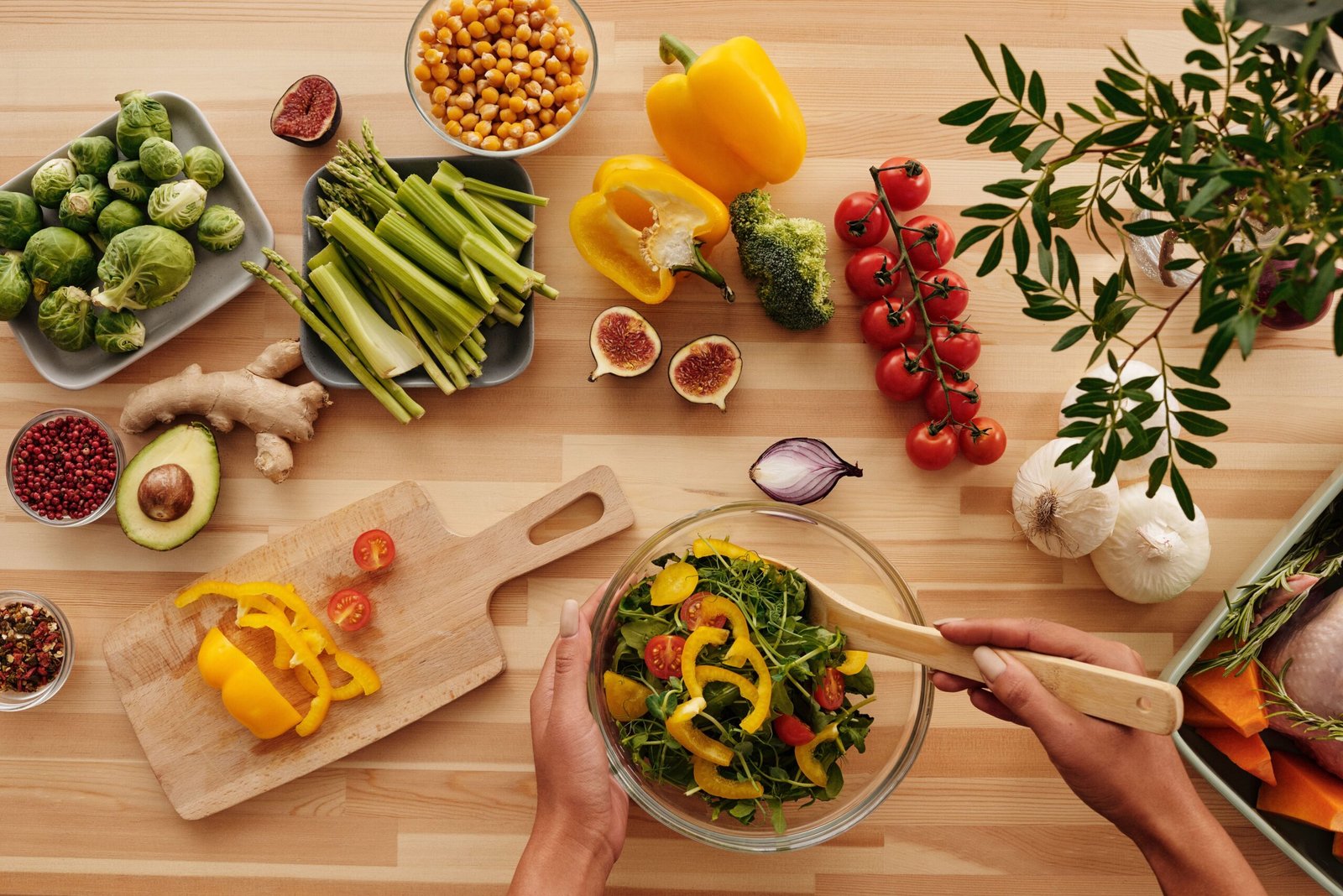
Plant-based eating has evolved from a niche lifestyle into a mainstream approach to healthier living. As more people seek nutrient-rich, sustainable foods, Yalla Choy has emerged as a remarkable ingredient deserving a permanent place on the table. Packed with essential vitamins, minerals, antioxidants, and dietary fiber, this versatile leafy green delivers exceptional flavor while supporting overall wellness.
Whether we are preparing quick weekday meals or creating gourmet plant-based recipes, Yalla Choy offers an outstanding balance of nutrition, taste, and culinary flexibility. This guide explores everything we need to know about incorporating Yalla Choy into our everyday diet.
Table of Contents
- What Is Yalla Choy?
- Nutritional Profile of Yalla Choy
- Health Benefits of Yalla Choy
- Why Plant-Based Diets Need Yalla Choy
- Vitamins and Minerals Found in Yalla Choy
- Antioxidant Power
- Digestive Health Benefits
- Heart Health Support
- Weight Management Advantages
- Bone Strength and Calcium Content
- Immune System Enhancement
- Cooking with Yalla Choy
- Delicious Recipe Ideas
- Storage Tips
- Growing Yalla Choy at Home
- Sustainability Benefits
- Frequently Asked Questions
- Conclusion
What Is Yalla Choy?
Yalla Choy is a nutrient-dense leafy vegetable celebrated for its crisp stems, tender leaves, and mild earthy flavor. It belongs to the family of Asian greens and is commonly featured in healthy plant-based cuisines around the world.
Its versatility makes it ideal for numerous cooking methods, including:
- Stir-frying
- Steaming
- Boiling
- Grilling
- Roasting
- Adding to soups
- Fresh salads
- Smoothies
Unlike many leafy vegetables that become overly soft during cooking, Yalla Choy maintains a pleasant texture while absorbing surrounding flavors beautifully.
Outstanding Nutritional Profile of Yalla Choy
One reason nutrition experts appreciate Yalla Choy is its impressive concentration of nutrients despite containing very few calories.
A typical serving provides:
| Nutrient | Benefit |
|---|---|
| Vitamin A | Eye health and immunity |
| Vitamin C | Collagen production and immune defense |
| Vitamin K | Bone health and blood clotting |
| Calcium | Strong bones and muscles |
| Potassium | Healthy blood pressure |
| Magnesium | Muscle and nerve function |
| Iron | Oxygen transportation |
| Fiber | Digestive wellness |
| Antioxidants | Cellular protection |
This impressive nutrient density makes Yalla Choy one of the smartest additions to a balanced plant-based eating pattern.
Health Benefits of Yalla Choy
Regularly including Yalla Choy in meals contributes to several aspects of long-term health.
Supports Overall Wellness
Its combination of vitamins, minerals, antioxidants, and phytonutrients nourishes nearly every major body system.
Naturally Low in Calories
Yalla Choy satisfies hunger without adding excessive calories, making it suitable for individuals maintaining or reducing body weight.
High Water Content
The vegetable helps support hydration while contributing to feelings of fullness after meals.
Why Plant-Based Diets Need Yalla Choy
Plant-based lifestyles rely heavily on vegetables that provide concentrated nutrition without excessive calories.
Yalla Choy contributes:
- Plant-based calcium
- Natural iron
- Vitamin K
- Powerful antioxidants
- Digestive fiber
- Hydrating moisture
- Essential micronutrients
These nutrients help compensate for nutritional gaps that can sometimes occur when reducing or eliminating animal products.
Rich Source of Essential Vitamins
Vitamin A
Vitamin A supports:
- Healthy vision
- Skin regeneration
- Immune function
- Cellular growth
Vitamin C
Vitamin C assists with:
- Immune defense
- Wound healing
- Collagen production
- Iron absorption
Vitamin K
Vitamin K plays a significant role in:
- Bone mineralization
- Blood clotting
- Skeletal maintenance
Together, these vitamins create a powerful nutritional combination.
Mineral Content That Supports Whole-Body Health
Yalla Choy contains multiple important minerals.
Calcium
Essential for:
- Strong bones
- Healthy teeth
- Muscle contractions
- Nervous system signaling
Iron
Iron supports:
- Oxygen circulation
- Energy production
- Reduced fatigue
Magnesium
Magnesium contributes to:
- Muscle relaxation
- Protein synthesis
- Energy metabolism
- Nervous system regulation
Potassium
Potassium helps maintain:
- Healthy blood pressure
- Proper hydration
- Muscle function
- Heart rhythm
Powerful Antioxidant Protection
Modern lifestyles expose the body to oxidative stress from:
- Pollution
- Poor diet
- Stress
- Processed foods
- Environmental toxins
Yalla Choy naturally contains antioxidants that help defend cells against free radical damage.
Antioxidants contribute to:
- Healthy aging
- Cellular protection
- Improved immune function
- Reduced inflammation
- Cardiovascular support
Excellent for Digestive Health
Fiber is one of the greatest strengths of Yalla Choy.
Dietary fiber helps:
- Maintain regular digestion
- Feed beneficial gut bacteria
- Reduce constipation
- Promote satiety
- Stabilize blood sugar after meals
Healthy digestion supports overall wellness, making fiber-rich vegetables indispensable in plant-based nutrition.
Supports Heart Health Naturally
Heart-friendly foods remain central to plant-based eating.
Yalla Choy contributes through:
- High potassium
- Low saturated fat
- Zero cholesterol
- Dietary fiber
- Antioxidant compounds
These characteristics complement heart-conscious dietary patterns.
Helps with Healthy Weight Management
Weight management depends largely on foods that provide high nutritional value without excessive calories.
Yalla Choy offers:
- High volume
- Low calorie density
- Excellent fiber
- High water content
- Satisfying texture
This combination helps reduce overeating while maintaining nutritional intake.
Strengthens Bones Naturally
Bone health requires more than calcium alone.
Yalla Choy provides nutrients that work together:
- Calcium
- Vitamin K
- Magnesium
- Potassium
Together they contribute to stronger skeletal support throughout life.
Supports a Strong Immune System
Immune resilience depends heavily on nutritional quality.
The vitamins found in Yalla Choy assist immune cells by supporting:
- White blood cell activity
- Tissue repair
- Antioxidant defense
- Healthy inflammatory responses
Consuming a wide variety of vegetables, including Yalla Choy, helps maintain nutritional diversity.
Culinary Versatility Makes Daily Use Easy
Yalla Choy adapts well to nearly every cooking style.
Popular preparations include:
Stir-Fries
Quick cooking preserves crispness and nutrients.
Soups
Leaves soften beautifully while stems retain texture.
Salads
Young leaves provide freshness and crunch.
Smoothies
Blends easily with fruits for added nutrition.
Rice Bowls
Pairs well with quinoa, brown rice, tofu, beans, and roasted vegetables.
Pasta
Adds vibrant color and nutrients to whole-grain pasta dishes.
Delicious Plant-Based Recipes Featuring Yalla Choy
Garlic Sesame Yalla Choy
Ingredients:
- Fresh Yalla Choy
- Garlic
- Sesame oil
- Soy sauce
- Sesame seeds
Cook briefly for a flavorful side dish.
Yalla Choy Green Smoothie
Blend together:
- Banana
- Mango
- Spinach
- Yalla Choy
- Plant milk
- Chia seeds
This creates a refreshing nutrient-packed breakfast.
Tofu and Yalla Choy Stir-Fry
Combine:
- Firm tofu
- Ginger
- Garlic
- Mushrooms
- Bell peppers
- Yalla Choy
Serve over brown rice for a complete meal.
Yalla Choy Soup
Prepare a comforting broth with:
- Vegetable stock
- Ginger
- Garlic
- Mushrooms
- Tofu
- Fresh Yalla Choy
A nourishing meal suitable throughout the year.
Storage Tips
Fresh Yalla Choy lasts longer with proper storage.
Best practices include:
- Refrigerate immediately.
- Store in a breathable produce bag.
- Avoid washing until ready to cook.
- Keep stems dry.
- Use within several days for maximum freshness.
Proper storage preserves texture and nutritional quality.
Growing Yalla Choy at Home
Gardeners appreciate Yalla Choy because it grows relatively quickly.
Ideal growing conditions include:
- Rich soil
- Moderate sunlight
- Consistent watering
- Cool to mild temperatures
Home gardening provides continuous access to fresh leaves while reducing grocery expenses.
Sustainability Benefits
Choosing vegetables like Yalla Choy aligns with environmentally conscious eating habits.
Benefits include:
- Lower environmental impact than many animal-based foods
- Efficient land use
- Reduced resource consumption
- Encouragement of seasonal eating
- Support for local agriculture when purchased nearby
Incorporating more leafy greens into meals contributes to both personal and environmental well-being.
Frequently Asked Questions
Is Yalla Choy suitable for vegan diets?
Yes. Yalla Choy is entirely plant-based and fits perfectly into vegan and vegetarian meal plans.
Can Yalla Choy be eaten raw?
Yes. Young leaves are delicious in salads, wraps, and smoothies, while mature leaves are excellent when lightly cooked.
How often should we eat Yalla Choy?
It can be enjoyed several times each week as part of a varied diet that includes many different vegetables.
Does cooking reduce its nutrients?
Light steaming or quick stir-frying helps preserve much of its nutritional value while improving texture and flavor.
Can children eat Yalla Choy?
Yes. When prepared appropriately, it can be a nutritious addition to meals for children and adults alike.
Conclusion
Yalla Choy deserves recognition as one of the most versatile and nutrient-rich vegetables available for plant-based eating. Its exceptional combination of vitamins, minerals, fiber, antioxidants, and culinary adaptability makes it a valuable ingredient for everyday meals. From supporting digestive wellness and heart health to contributing to strong bones, immune function, and healthy weight management, Yalla Choy offers benefits that extend well beyond its crisp texture and mild flavor.
By incorporating Yalla Choy into stir-fries, soups, salads, grain bowls, smoothies, and countless other dishes, we can enjoy a simple yet effective way to enrich our diets with wholesome plant-based nutrition. Whether purchased fresh from local markets or grown at home, this leafy green provides a practical and delicious foundation for healthier eating habits that can be sustained for years to come.
